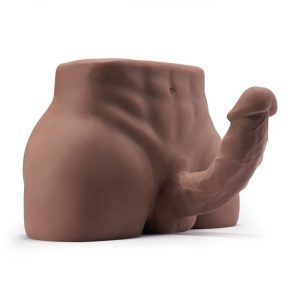
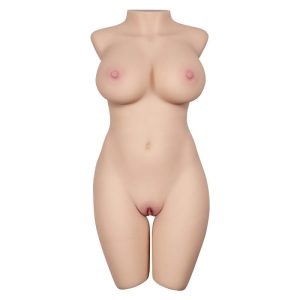
From the Pour to Your Door, In a Box That Says Nothing
Five stages sit between checkout and delivery day. The parts you care about are printed here in full: what the label admits to, and the muscle a 30-to-50 kg delivery asks of the person receiving it.
The pour
Made-to-order bodies are cast after checkout, in the configuration you locked in. We confirm the workshop’s current window with you before payment, so the wait is a number you agreed to in advance.
The bench
Finishing happens at the inspection bench: face paint, hair, options fitted, joints load-tested. Production photographs of your build are available on request before anything gets boxed.
The carton
Heavy double-wall cardboard, foam-cradled inside, blank outside. Here is the entire vocabulary of the box, reproduced in full:
The road
Door-to-door couriers carry the carton with a tracking number that lands in your inbox the day it leaves. Times and duties differ by destination. What applies to your address gets confirmed before the carton seals.
Your door
Plan for the gross weight, not the listed one. A 161 cm build listed at 33 kg arrives heavier once foam and cardboard join in; tall and plus-size bodies deserve a second pair of hands and a cleared hallway.
Keep the carton; it doubles as the storage case. Owners who toss it early tend to hunt for a replacement within the year.
Asked Before the First Order
What does the neighbor see?
A courier wrestling a heavy brown box to your door. The label looks like furniture freight. Nothing on any side of the carton corrects that impression.
How heavy is the box, honestly?
Listed doll weight plus packaging. The slim end of the catalog ships around 40 kg gross; plus-size builds go higher. The model page’s weight line is the number to plan around.
Does the tracking page name the product?
No. It shows the route and the neutral sender, the way any freight tracking does.