A first buyer’s timeline
TPE Common Beginner Questions
Seven questions show up before a first TPE doll ever ships. The same seven, near enough word for word, typed into a search bar somewhere past midnight. They arrive on a schedule, one cluster at a time, tracking the days from that first midnight search to the box on the doorstep. Sorted along that timeline, none of them stays scary for long.
The night before the order
The first cluster arrives during the searching. Type one of the seven into a forum and ten answers come back disagreeing. One owner swears the smell never left. Another never caught it. A third is selling a spray to cure it. The three describe three different dolls from three different factories, all filed under the same letters. TPE names a family of blends. No single recipe stands behind the letters. Blend names rarely reach the threads, so two owners argue for pages without noticing they hold different generations of material. A post from the market’s early years describes a formula the compounders have since revised, so the date on it counts as much as its confidence. Take any single reply as one data point from one blend, closer to an anecdote than a verdict.
The searching also plants the wrong ideas that make the questions feel worse than they are. Four come up again and again. TPE and silicone get filed as two grades of one material, a budget trim under a premium one. They are two different chemistries. Porous gets taken for dirty. It only means the surface drinks a little water and has to be dried. Oil at the surface gets taken for a leak. A doll with no surface oil has lost the thing that keeps it soft. A low price gets taken for a safety cut. The savings come out of pellet cost and cycle speed, nowhere near the blend’s chemistry.
Two of the seven do settle that same night, on the listing page, before any money moves. Safety comes first. It holds a veto: no batch report, no purchase. For a lot of buyers the safety question decides the purchase on its own.
Well made TPE, the SEBS kind reputable factories pour, tests clean for the phthalates people fear, chiefly DEHP, DBP and BBP, the group REACH caps at 0.1% by weight. The hazard sits at the bargain end, in blends cut with cheap plasticizer and reground scrap, sold from pages with no paperwork. The answer is one document, a batch report from a named lab matched to your order. Knowing where that report stops is the rest of it.
The other listing-page question is quieter: what is this stuff. A beginner usually buys a TPE doll before they could say what the letters stand for. TPE is a thermoplastic elastomer, a rubber that melts and re-sets with heat, blended soft with mineral oil. That one fact explains the smell, the oil, the heat limit and the kitchen-table repairs in a single stroke.
The moment you pay
Handing over the money brings the price question, usually with an edge of accusation. Where did they cut? Full-size TPE usually lands between $1,000 and $2,500, well under silicone’s $2,000-to-$6,000 range. The gap is production math. TPE pellets cost a fraction of platinum-cure silicone by the kilogram. The melt pours on a fast cycle; silicone, by comparison, cures slowly in a heated mold, one casting at a time. A flawed TPE part, unlike a flawed silicone pour bound for scrap, drops back into the melt and returns as usable stock. Those three levers, pellet price, cycle speed and yield, open the whole price gap with silicone.
The price never shows who compounded the blend. Two dolls both labeled TPE, listed ten dollars apart, can age nothing alike, because a patient compounder and a bargain workshop pour different material under the same three letters. The bargain end runs on reground scrap and cut oil. That corner is where the horror-story dolls come from. A second trap sits beside it: a recast, a bootleg mold pulled off a real doll and sold at a fraction, soft on detail with a mystery blend inside. The tell is a price far under the named factory’s own, on a listing that names no factory at all. A search on the factory name plus the word tear or smell pulls the record up. The name behind the doll predicts it better than the price does.
Two questions sort sellers before you pay. Which oil grade goes into the blend. How the factory dries a built-in vagina. A direct answer with a photo places the shop at the careful end of the trade. Silence on the oil grade, after two plain asks, says the rest. Screenshots are free and settle arguments later.
Checkout is also where sales language gets a second look. Medical grade TPE points at nothing, since no medical standard governs doll blends. Premium imported oil runs true or empty depending on whether the seller names the grade when asked. Hypoallergenic describes an outcome nobody tested on your batch. Feels exactly like real skin promises past what any polymer delivers. A claim that admits a limit beats one that hides behind a superlative. Oil free is the red flag, since no soft blend has ever retired the powder can. Drier for longer is what an honest factory writes.
While the box is in transit
Two of the seven are best met on paper while the doll is still shipping, so nothing on day one looks like damage. Both turn out to be false alarms. The factory smell is a manufacturing note, part mineral oil, part the room it was mixed in. Nothing about it means the doll spoiled. The oily film a healthy doll leaves is the plasticizer surfacing on its own schedule, the same oil that keeps the skin soft. It is not a leak. Knowing both up front turns two small shocks into two non-events. The box sets one physical rule of its own. A doll ships curled into its foam. Leave it in that pose for days and it takes a set, so it comes out and lies flat the day it arrives. Cold makes TPE stiff and brittle, so a winter delivery warms to room temperature before a single joint gets moved.
Unboxing day
The smell peaks on the first day out of the box, in a closed room, on a warm afternoon, then drops off across the first one to three weeks. Warmth and airflow set the pace; a closed cabinet holds it longer than an open room. One smell is the exception. A sharp chemical or burnt-plastic edge still there after a month points at a cheap plasticizer, the single case where a new doll should go back.
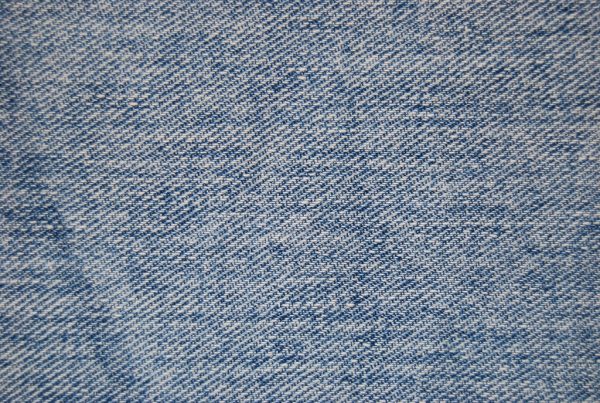
The real day-one hazard is one the pre-sale questions never raise. Dark new clothes, denim and red fabrics above all, bleed dye into the porous surface. No wash brings that color back out. A fresh outfit gets a wash of its own before it ever goes on the doll. A stain that lands anyway lifts slowly, over days, with a benzoyl-peroxide cream worked into the mark, and a deep one rarely comes all the way out.
The unboxing itself takes a short checklist. Look down the seams. Sniff for anything past a mild oil note. Dust on a first layer of powder before the doll wears a thing. Getting that first powder right pays off. Cornstarch and cosmetic-grade talc both work. Talc carries an inhalation debate. Cornstarch grows mold if it sits wet inside a cavity. Either one goes on a dry doll, never a damp one. Keep the box and its foam through the first two weeks, since carriers rarely honor a shipping-damage claim without the packaging.
The first month
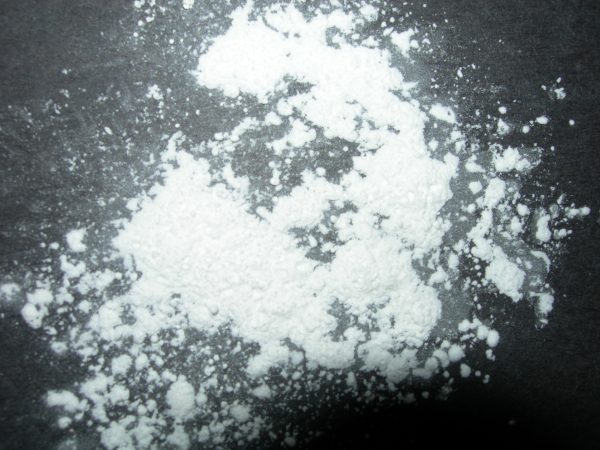
Oil turns into a routine. The film shows first where the doll flexes hardest, at the armpits, the inner thighs, the neck joint. A cornstarch pass every two to four weeks holds it down. A skin that stays tacky between passes has crossed from a normal oil cycle into a poorly mixed blend. One smell in this stretch is not the factory note at all. A cavity left wet after a wash breeds mildew deep inside. That smell is permanent. Nothing airs it out. A built-in vagina dries vertical, hung to drain, with a cloth-wrapped rod run to the bottom. A removable insert lifts out and dries in the open air. Many first buyers pick one for that reason alone.
The upkeep is small. It never stops: five minutes a pass, month after month, plus a careful dry after every wash and an eye on heat, sunlight and dark dyes. A display doll wants little beyond dusting. A doll in regular use adds washing and a real dry after every session. The drying is the part that decides hygiene. Use water-based lube only. Oil-based lube degrades TPE over time. The wig and the eyes sit on the same short learning curve. A wig mats and dies under ordinary shampoo. It wants a wig-specific wash and a wide comb, worked off the head. Eyes pop out and swap in under a minute once the trick is learned. Implanted hair, where a doll has it, sheds and never fully grows back, so owners tend to run wigs from the start.
The tax runs the same on any grade, so a $2,000 doll powders on the same calendar as a $1,400 one. By the fourth pass a buyer knows whether the routine calms them or grates. Anyone who expects to skip the drying does better on silicone, where neglect costs less.
The years that follow
Lifespan and feel only prove out over months. A TPE doll kept cool, dry and powdered runs roughly three to five years, more with careful storage. Park it by a radiator or in a summer car past 50°C, or leave it damp after a wash, and it gives out years sooner. Bath water stays near 40°C, never hotter. Storage does its own damage. A doll left folded in one loaded pose takes a set. A joint held at its limit for months grows a tear at the crease. Flat and supported, joints relaxed, is the rule. Two failure points sit outside the skin. The steel skeleton rusts in a damp room. That rust bleeds a stain up through the surface, so humid climates keep a silica pack in the storage bag. Standing feet are the second weak spot. The ankle bolts load a whole doll’s weight onto a thin joint. The heaviest dolls tear there first. Those habits, more than the blend, decide its working lifespan.
The plush feel holds up the whole time. Doll TPE is usually quoted low on the Shore scale, in the soft 00 or a low Shore A. That skin-like feel is a warm surface yielding at the pressure a palm expects. The parts that genuinely fail, loose joints and lazy seam work, tend to surface around month six, long after the worried searches stopped.
Where it all lands
By the second month the seven have answered themselves and a new set moves in. The oil question shrinks to a calendar note. The safety question becomes a thirty-second check that a cavity dried through. What fills the space is wig shampoo, clothing dye, storage poses. A typical owner can name their doll’s blend generation, their powder brand and the drawer the repair kit lives in, knowledge that sounded impossibly specialized back at that first midnight search.
Nearly every current owner sat exactly here once, a cart open in one tab and is TPE safe in the other. Somewhere in the second month the search history flips from safety to doll clothing size chart.

About the author
Thaddeus Montgomery Kingswell
Senior R&D Engineer with over 12 years of experience in the realistic adult doll industry, specializing in platinum-cure silicone formulation and lifelike skin texture engineering. Currently leading the development and validation of the company's next-generation full-silicone doll platform, responsible for material safety assessment, softness calibration, and long-term durability analysis in pre-production testing. Brings extensive hands-on experience in silicone pigmentation and layering techniques, articulated skeleton joint tuning, and full-body structural reliability testing.
View all posts by Thaddeus Montgomery Kingswell →