sex doll materials safety explained
What the skin is made of, what holds it up, and how to check the safety paperwork before you pay.
Material decides more about a full size doll than the face in the listing photos. Weight, smell out of the box, cleaning time, the odds of a clean repair: all of it is settled at the compounding stage, before the doll has a name or a wig. The skin is a polymer. Under it sits a frame of welded steel, with layers of engineered softness in between. And the safety file that should travel with the whole assembly is a stack of paper you can read line by line.
Buyers tend to start from a face and work back to materials, usually in the second month, after a cleaning session or a squeaky hip raises the question. Do it the other way around. Pick the polymer first, check the paper next, and leave the face for last.
IThe two skins
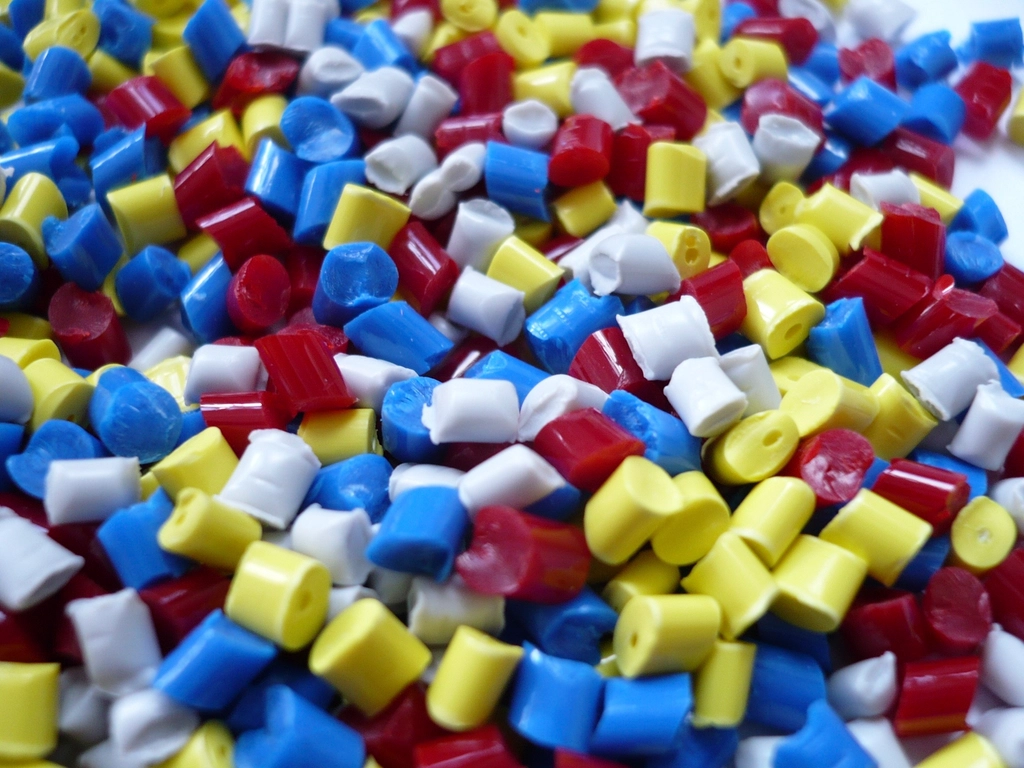
TPE crossed over from shoe soles and toothbrush grips. Within a decade it had rebuilt the price floor of this market. The recipe behind a typical doll is SEBS, a styrene block copolymer, softened with white mineral oil until a cast limb flexes the way soft tissue does. That oil brings its own trouble. It keeps working toward the surface for as long as the piece exists, and on the way it lifts dye out of dark clothing left in contact too long. One thing goes the other way, in TPE’s favor: because the material re-melts, a split can often be closed at home with a heat gun. The factory pours it at 160 to 210°C. Your heat gun reaches the bottom of that range. Shore softness in this family drops below what silicone can follow, down into gel range. That is the reason the softest cheap dolls tend to be TPE.
How good TPE dolls are gets locked in at the recipe stage. Between a careful compounder and a careless one, the quality gap inside this single material can run wider than the gap between the two skin families. The careless end cuts oil grade and mixing time. Those are the two costs a buyer cannot inspect. Recycled pellet streams exist here too, down at the bottom of the market.
Silicone works another way. It cures on a platinum catalyst into a closed network that lets nothing migrate out, which is why the surface stays dry to the touch year after year. It molds finer detail as well. Pore lines and knuckle creases survive casting at a level TPE does not reach, and it takes temperature swings in stride.
A TPE tear tends to run if you ignore it. Silicone resists tearing to begin with, and when it does go, the split tends to stay put. Neither trait shows in a photo. Both surface the first time a doll gets handled at the far edge of a joint’s range.
Platinum pricing and slow cure cycles both land in the final sticker. Are silicone dolls worth buying? How long do you plan to keep it? Secondhand listings hold their price better on this side of the catalog, going by the resale boards.
Hybrids are the middle road, a silicone head on a TPE body. The face gets the fine molding without the full silicone bill. Silicone outnumbers TPE close to two to one across our own 419 model catalog, with 26 hybrids in between, silicone above the neck and TPE below. The wider market has drifted the same way, a little more each season.
| TPE | Silicone | |
|---|---|---|
| Raw form | Pellets, melted for casting | Two liquid parts, mixed |
| Cure | Cools and sets in the mold | Heat cure on a platinum catalyst |
| Surface over time | Oil film returns, needs powder | Stays dry, nothing migrates |
| Fine detail | Soft edges on fine lines | Holds pore level molding |
| Field repair | Heat welds at home | Adhesive kits, steadier hand |
| Where it prices in our catalog | Lower band | Upper band |
IIWhat they share
Both families ship with a factory smell that fades over the first weeks. Both take cornstarch or talc without complaint. Direct sun and long folded storage bother the pair about equally, and upkeep overall stays light, a steady run of small tasks. Heat is the exception. It is the one thing without a home fix. A radiator or a hot parked car can soften the material for good, and leaving a heating blanket on overnight is a known way to ruin either skin. For TPE the damage starts past 40°C, a mark a parked car in summer reaches by lunch. Everything else a monthly once over catches early, ten minutes with your eyes and a flashlight.
The weekly motions rhyme, too. Warm water, a mild soap, a careful dry. Where the pair parts is how fast a spill has to come off before it sinks in, and how long the drying takes afterward. Store either one loose and supported. Never crushed into a pose for months, and both keep better under a cover that breathes.
Two shared cautions round out the basics. Both skins take a mark from anything pressed hard against them for days, a seam, a tight strap, a ring left on a finger, so posing eases off at the extremes. And dark dye migrates into either surface from unwashed new clothing, which is the reason a first wash before wear saves a stain later.
Beyond the two, the new doll materials beyond TPE and silicone keep surfacing at trade shows, none of them displacing the pair above yet.
IIIMeasuring softness
Durometer testing grades how far a spring loaded point sinks into a material, with rubbery goods sorted across the Shore scales by stiffness. Everyday rubber sits on Shore A, a scale too firm for doll skin, so spec sheets drop to Shore 00, the one built for gels. Soft zones commonly quote Shore 00 numbers from the single digits into the twenties. The two scales don’t line up either. A pour stamped 00-30 is far softer than a 30 on Shore A. Or so the published sheets claim.
Treat all of those figures as directional. Every factory measures on its own rig, in its own way, which is why the numbers travel poorly between brands. Zones differ across one body too, enough that a belly reading tells you nothing about a shin. Inside one catalog, the figures rank models against each other. That is about all they are good for. Across catalogs, trust your hands at a shop visit, or order skin swatches where a seller offers them. A swatch costs a few dollars and answers the question directly. One footnote no listing prints: firmness on TPE drifts with room temperature.
What a thumb feels is the whole stack at once, skin thickness over fill density, pressed together. Firm blends cast thin over gel can read softer than plush blends cast thick over foam.
IVHow they get made
Casting follows one broad path in both families. Each body starts the same way. A steel skeleton hangs inside a two part mold. The TPE side melts its pellets into a pour. Silicone arrives as two liquids, freshly mixed and already starting to cure. One pour commits tens of kilograms. The filled mold then runs its heating or cooling schedule, until trimmers lift the fresh body out. Silicone bakes in ovens sized for a human figure. TPE gets the opposite, a slow controlled cooling, since a thick limb that cools unevenly can shrink into hollows.
The molds are expensive, two heavy halves of machined aluminum budgeted over thousands of pours. New body lines carry that tooling cost up front. It is one big reason catalogs refresh faces faster than figures: a new face needs one head mold, where a new figure needs a full body sized tool and a long fit testing run.
Hand finishing eats a surprising share of the build. Seams get shaved off by hand. A faint line stays along the inner thigh, where the two mold halves met. Lashes go on in short rows of tweezer work. Makeup builds in layers, by human hands, and the better lines draw brows as dozens of tiny strokes. Two factories pouring the same pellet grade can ship different dolls, purely on finishing discipline that gallery photos never show.
VThe skeleton
Every full size body carries a welded steel frame, its bolted joints set where a person has cartilage. Those joints leave the factory at a fixed tension. Daily use loosens them, slowly. Re-tightening is routine on frames built with exposed bolts, and sealed designs skip the chore at the cost of one repair path later. Frames differ in tube gauge and in joint hardware. None of it stays visible once the skin goes on. In humid climates the rust starts at the welds first, so a dehumidifier in the storage room heads off the whole problem.
Owner threads a year deep on The Doll Forum drift from skin talk to joint talk, with finger wire and wrist posts drawing the loudest complaints. Stumble into one by accident and you come away knowing what finger wire is. That drift answers how much the skeleton and its joints matter better than any showroom squeeze.
Neck connector sizing limits which heads fit. Standing is a skeleton decision too, bolts through the heel or a reinforced flat foot, chosen at order time on many lines. Those foot bolts decide whether standing is allowed at all, whatever the listing page played up. Ask before you order, if standing matters to you. Adding the feet later means opening the leg. That is a shop job, not a kitchen table one. The option is cheap at order time and dear after.
On weight, the frame is the smaller share by a wide margin. Skin and fill make up the rest, enough that two dolls of one height can differ by ten kilograms on the fill map alone.
VILayers
Say the brief asks for a softer belly. The factory drops the durometer in that zone. Softer material folds under load, so it needs a firmer core behind it, and the firmer core packs in denser fill. From there the chain runs on its own: denser fill weighs more, the added mass loads the hip joints harder, the joints want more tension, the body creeps up a shipping class, the crate thickens to match, and the parcel at the door now takes two people to move, all because a brief once said softer. Factories walk the chain backward for a weight reduced model, hollowing the zones nobody presses. That reverse walk leaves its own tells in the spec table, lighter hips and a hollow chest promoted to standard.
Catalog pages compress all of that into checkbox names, gel chest or hollow limbs. The softer box is not the better one by default, since how doll feel is engineered under a label decides more than the label ever prints. Two dolls with the same silicone label can arrive feeling like different products. Ask where the gel sits and where the solid pour starts, any time a page goes quiet about it. Chest and belly tend to get the soft treatment first, calves and forearms much less.
Finish changes what a fingertip notices before softness even registers. Matte skins feel dry and cool at first touch. Glossy ones sit closer to lotioned skin. The difference is a surface treatment applied late in production, and a powder pass after a bath returns TPE to matte in about five minutes. I don’t have a strong view on matte against glossy. Hands differ enough that both keep their regulars.
VIIHeads
Faces are what buyers notice first, and factories build heads accordingly, in a separate workflow where the hand skill concentrates. What makes a good doll head has less to do with beauty than with build quality. Lashes that survive handling say more about a workshop than cheekbones do. Eye swaps stay within owner skill on modern heads, repainting wants a steadier kit and a free afternoon, and implanted hair takes a lighter brush than a wig does. And any face can be re-chosen down the line, so the choice is less permanent than it feels on order day.
VIIIWeight

Elastomers weigh about what water weighs, so a life size volume of either skin adds up faster than people expect. A liter of cast silicone weighs 1.1 to 1.2 kilograms; a liter of water weighs one. Typical full size models in our catalog land in the thirties of kilograms, the tall end pushing past forty. We list the exact figure on every model page, next to height and cup size, before checkout.
Kilograms shape daily life with a doll more than any other spec. Moving one between rooms is a technique. You learn it the first weekend. Stairs decide a lot of these purchases even earlier. In a walk up apartment, the delivery is where it gets real, so walk the route from door to room before you order, every stair counted. The crate adds board and foam around each limb. Its gross weight on the label comes a bracket above the doll itself.
Hollow torsos and foam cores exist to pull mass back out. Each trade costs something in feel or durability. Mass does not sort good factories from bad ones. A heavier doll is just a bigger doll. Couriers, for their part, charge by weight bracket, a table that comes back if a repair ever has to ship.
Height is quoted barefoot as a rule, and the heels in the photos add centimeters the spec does not count. Weight means the doll alone, before the crate. Cup letters describe proportion against the frame, a sculptor’s shorthand with no band measurement behind it, loose enough that two catalogs can call one chest a D and an E. The material line names the skin family, and on hybrids it splits head from body. Our own pages carry all those fields for 419 dolls, next to the price.
What a page leaves off is useful to know as well. Shore numbers and fill maps usually stay internal. Steel gauge is the least published of all, a question for the seller, never the page. Sellers answer more of those than people expect, over chat, before an order exists. Ask while the money has not moved. Some reply within the hour, photographs included, and screenshots of those answers cost nothing to keep.
IXThe paperwork
Soft plastics came by their scrutiny honestly. The phthalate family of plasticizers, DEHP loudest among them, spent decades in cheap consumer goods before regulators moved. The EU restricted the worst of them in children’s toys in 1999, and the list has widened with every round of rulemaking since. The US followed under CPSIA: 8 phthalates, capped at 0.1% of a children’s product, 1,000 parts per million. Adult goods never got their own list. They enter the market as novelty items, no testing owed. A product used against and inside the body deserves the strictest reading of that history. Skin contact is long, by the nature of the thing. Softness is what the product sells, and the older chemistry reached it with heavy plasticizer loads.
Legitimate factories buy their scrutiny in advance. Batch samples go to third party laboratories, the letterheads usually reading SGS or Intertek. The reports cite the EU’s REACH framework, because that list names the exact substances a soft polymer must not carry, phthalates included, at thresholds a lab can verify. Good panels reach past phthalates into heavy metals. When a doll is made to order, ask for the newest batch report, matched to your production run. The report itself looks like a utility bill, sample identifiers and method codes stacked over a pass column. Dates on those documents matter more than logos do. Recipes drift from one batch to the next, so a two year old report can certify material you are no longer buying.
A pass is not a lifetime guarantee. It certifies the batch that was tested, on the day it was tested, against the substances on the panel. Anything outside that panel went unmeasured. This is no reason to distrust the paper. It is a reason to read what the paper says, and no further. Dates and panel scope are the two lines to check, well before the logo at the top.
CE and RoHS marks, when they appear, speak for the electronics inside heated or voiced models. Heating elements and voice modules carry their own compliance stack. It rides into the box with them. A doll with no electronics has no business wearing an electronics mark. Sellers who print one anyway are telling you how they treat paperwork. The skin itself answers to chemical testing. Food grade and medical grade are marketing dialect in this product class, phrases no regulator anywhere has ever defined.
So what does a buyer without a chemistry degree do with a lab report? Two checks need no training at all. The batch number on the report should match the one on your order. The lab name should lead to a real verification page that recognizes the document number. The rest of confirming a doll is safe runs from those reports down to the smell check and surface wipe you can do at home with a window open. New material smell keeps fading across the first weeks. A sharp chemical note that survives a month is a question for the seller. Keep the invoice and the report together afterward, since resale buyers ask for them more often than you would guess.
Asking a seller for a current test report can feel confrontational. Ask anyway, politely, like any other spec question. Factories that test have heard it plenty of times.
XPicking an order
Shortlists get better when the polymer question comes first. Fix the material family, then confirm the testing file. Once a shortlist exists, the full TPE vs silicone comparison scores the two skins across cost of ownership and repair odds. Give the decision at least one unhurried weekend.
My own tiebreaker between two evenly priced dolls is upkeep tolerance. Budget matters less than people expect once the shortlist is sound. The chemistry here changes slowly. What you learn stays useful across catalog cycles. Changing the face later takes one afternoon and a neck bolt.

About the author
Thaddeus Montgomery Kingswell
Senior R&D Engineer with over 12 years of experience in the realistic adult doll industry, specializing in platinum-cure silicone formulation and lifelike skin texture engineering. Currently leading the development and validation of the company's next-generation full-silicone doll platform, responsible for material safety assessment, softness calibration, and long-term durability analysis in pre-production testing. Brings extensive hands-on experience in silicone pigmentation and layering techniques, articulated skeleton joint tuning, and full-body structural reliability testing.
View all posts by Thaddeus Montgomery Kingswell →