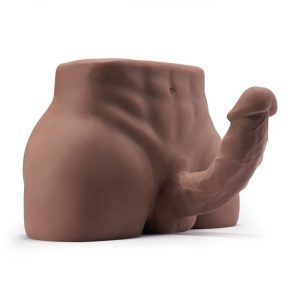
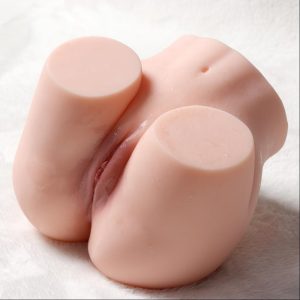
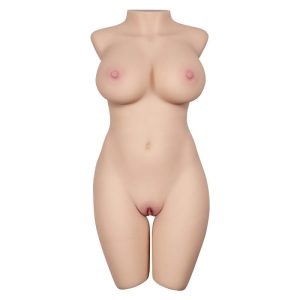
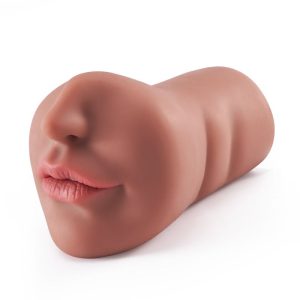
new doll materials beyond tpe silicone
Every season brings a new doll skin to the trade shows. Softer, the banners promise. Safer, self healing, grown from plants, not petroleum. The words change from one year to the next, and what ships in the crate to a real buyer barely moves. Every doll we carry, all 419 of them, is TPE or silicone or a blend of the two. Nothing exotic. Nothing you could not have bought five years ago.
A few of these new skins are genuine steps forward wearing a marketing costume. Others are honest alternatives that keep losing to the two incumbents for reasons a buyer can name out loud. A handful belong on a lab bench and nowhere near a bedroom. Telling one kind from another is much of the skill here, because it tells you which new materials matter and which get a shrug.
Those three piles are the whole map. Telling which pile a claim belongs in needs no chemistry degree. It needs two or three plain questions, asked in the right order.
Why nothing has beaten the two
Start with the reason the shelf looks the way it does. TPE and silicone are not sitting on top out of habit. Between them, the pair already does four hard things at once: it feels soft and lifelike under a hand, holds fine detail down to the pore, carries a safety file a factory can produce batch by batch, and costs little enough that a workshop can build a business on it. All four, in a single recipe.
Hit three and miss one, and you do not have a doll skin. You have a coupon or a lab sample. That is the wall every challenger runs into. The four targets also fight each other, which makes the wall taller than it looks. The softest feel comes from the loosest oil. The finest detail comes from the firmest cure. A recipe chasing one of them quietly gives ground on the other, so a material that wins on plushness tends to blur at the pore line, and one that holds crisp detail tends to read a little hard. TPE and silicone landed on a truce between those pulls that has held for years. Beating them means beating the truce, not just one number on a spec sheet.
What the word new is covering for
The word new does three separate jobs in this market. Pull them apart and the whole thing gets simpler.
Sometimes new means a variant. Same polymer family, tuned or coated or given a fresh name. That is real progress, and it is not a new material. Sometimes it means an honest alternative: a genuinely different elastomer that works, and then loses to TPE or silicone on cost, on durability, or on feel. And sometimes it means an experiment, a chemistry that behaves on a test coupon and has never once survived a full size body through a year of ordinary use.
The middle case is the one that costs buyers money. An alternative you can buy and live with. An experiment you can only fund and wait on. They look alike on a glossy page, and they are not alike at all. A variant you can usually buy today and judge with the same questions you would put to any doll. An alternative you can sometimes buy, at a price and with a trade off the seller ought to be able to say out loud. An experiment you cannot buy in any honest sense, whatever a pre order button suggests, and the only thing changing hands is your deposit.
Little of this shows on a spec sheet. So the marketing reaches for the same soft adjectives every season: softer, safer, more realistic, longer lasting. Every material that ever existed would claim all four. The question underneath is not about outcomes at all. It is about inputs, and it has two parts: what polymer is this, by name, and where has it already been cast at full size.
Renamed, not remade
The biggest group of new skins turns out to be the least new. A soft or gel silicone is just silicone with a lower durometer and a suppler outer pour. A low oil TPE? The same SEBS compound, tuned to hold its mineral oil longer. A coated hybrid is a TPE body wearing a thin silicone or urethane skin, so the surface feels drier than the blend underneath it is. Each one is a fair thing to own. Each is a real refinement of a material that already works. The trouble starts only when the new name is asked to carry more than it can, when a tuned blend gets sold as a different species of matter.
The renaming is not always a con. A compounder who has spent real money tuning a recipe has fair reason to put a name on the result. The adult toy trade has done exactly this for years, and the doll trade borrows its vocabulary wholesale. CyberSkin, UR3, a long shelf of in house superskins: all of them are proprietary TPE and TPR blends, each tuned for a particular hand. Some feel plainly better than a generic blend. That part is honest. Every one of them also carries the porosity and the oil habits of the family it comes from, and that part tends to fall off the page.
Porosity is the word the renaming likes to skip. TPE is porous. Silicone is not. That one difference drives how you clean each material, how fast a stain sets, and how careful you have to be about drying it, and no clever name for a TPE blend changes the physics underneath. So when a superskin gets sold as easier to keep clean, check whether the polymer changed or only the label did. A smoother surface helps at the margins. A porous material stays porous, and the cleaning routine a TPE doll needs travels with the family, under whatever name the blend now wears.
One claim comes up more than any other, and it gets a careful ear here, not a flat no: oil free TPE, bleed free TPE, never powder your doll again. A compounder can genuinely cut the free oil in a blend, and the surface will stay drier, for longer, than an older formula did. What no one has managed is to strip the plasticizer out and keep the soft, yielding, skin like give that made TPE popular to begin with. The oil is part of what does the softening. Take it all out and you have a firmer material with a different feel, whatever the label says. Drier for longer is true, and useful. Oil free and identical in the hand is not.
One number cuts through a lot of the soft talk, and it is the durometer, the Shore hardness a maker will quote if you ask for it. Softer is a lower number. A doll skin lives inside a narrow band of it, and a material that trumpets a revolutionary feel while quoting a hardness the incumbents already sell is telling on itself.
So hold a variant as the parent material with a footnote. A soft silicone is a silicone doll. You wash it, cure it, and watch it age like one, and it happens to feel plusher. A low oil TPE is a TPE doll that reaches for the powder can a little less often. None of the questions you would put to the parent go away, and the batch safety file has to exist, and it has to match your order.
The honest alternatives
Past the renamed variants sit the materials that are a real departure. Polyurethane leads that group. A cast polyurethane elastomer can be made soft, detailed and genuinely tough, and it is already standard in film effects and in some prosthetics, so a PU doll is not a fantasy on its face. Why does it stay rare, then? The reasons are specific, and they are the ones to walk, because they show what any alternative is up against.
Water is the first problem. Many polyurethane elastomers hydrolyze over years of humidity and washing, and humidity and washing are exactly the life a doll leads. A skin that feels superb on delivery day can turn tacky or crumble at the surface somewhere down the road. The better grades resist it. They also cost more, and the trade has not settled on a single formulation it trusts to last a decade. Add a habit of yellowing under light. Add a surface that reads a shade more rubbery than silicone to a careful hand. The picture fills in: a material that could work, held back by the parts of ownership that only show up long after the unboxing video ends.
Not every polyurethane is equal here. The polyester based grades hydrolyze fastest. The polyether based ones hold up better against moisture, and cost more to buy. A factory that has genuinely solved PU durability can name which backbone it uses and why it chose that one. Few can, because few have tried.
Silicone has its own split, and a buyer meets it without ever learning the names. Doll skin uses platinum cure silicone, sometimes called addition cure, for its cleanliness and its stability over time. The cheap tin cure that hobby molds run on, the condensation kind, releases a small byproduct as it sets and ages faster on the shelf. No serious doll ships in it. When a listing sells you a new silicone, it is usually a softer platinum blend, which is a pleasant refinement and a long way from a new cure chemistry. The cleanliness matters more than it sounds, since platinum cure leaves none of the trace catalyst a tin system can, and that is part of why the grades a careful seller quotes belong to it.
Two words ride along with a lot of these pitches, medical grade and food grade. Both sound like a safety promise. Neither is a legal specification for a doll. A silicone can be genuinely certified for skin contact, with the paperwork to prove it, or it can be called medical grade because the phrase moves product. Real certification cites ISO 10993 on a named batch. The material is rated from -60°C to +250°C, and a hospital autoclave’s 121°C lies well inside that. The only way to tell the two apart is the file. Ask which standard, tested by which lab, on which batch. A real answer names all three. A marketing answer names none, and hopes the adjective was enough.
Integral skin foams pour a firm yet yielding surface over a foam core in one shot, the way some mannequins and medical training bodies are built; they surface in torso experiments now and then, win on weight, and lose on the warm, fine, close to skin surface a doll is bought for. Thermoplastic vulcanizate is the other one, a cousin of TPE whose rubber phase is cross linked inside a plastic matrix while it is compounded. It shrugs off heat and oil loss far better than a plain SEBS blend. That is why it turns up in car door seals and kitchen tools built to outlast their owners. It also comes out firmer and less lifelike, and no one has softened it to doll standards. Every alternative in this group makes the same bargain. It buys one real virtue and pays for it in the exact quality the two incumbents happen to hand you for free.
A real alternative is not a scam. It also has not won. A seller who offers one should be able to name the polymer without hedging, put the trade off in plain words, and point at more than one doll that has lived on it for a year or two. Where that evidence is thin, the material is unproven for this use, whatever the page claims, and the sane move is to let someone else spend the first ownership year finding out.
The press release tier
The last pile is where the trade show announcements come from. Self healing polymers that close their own cuts. Graphene skins. Thermochromic materials that flush warm to the touch. Plant based elastomers with a green badge stitched on. Each one exists, as a research result or a coating on a test piece. Each one surfaces every year or two, attached to a doll that never ships. The science underneath is often perfectly real. The finished, cleanable, castable, safety tested, full size doll built on it is the part that goes missing, every single time.
Bio based plasticizers are the closest of these to the mainstream. A plant derived oil could, in principle, stand in for the mineral oil inside TPE. The hold ups are ordinary industrial ones, not exotic: a steady supply at scale, a feel that matches the oil it replaces, and a safety record long enough to weigh against decades of data on the petroleum version. It is a plausible next step. It is not a product on a truck, and a doll advertised as plant based today deserves the same scrutiny as any other unproven claim. Even if it all works, it arrives as a better TPE, not a new family.
Self healing and graphene sit further out, closer to a headline than to a hand. A polymer network that re bonds after a cut is a real laboratory result. Keeping that trick alive in a soft, oiled, washable skin, at a factory price, is a separate problem, and no one has shown it solved. Graphene stirred into an elastomer shifts its conductivity and its strength in ways an instrument can measure and a buyer would never feel through a doll. When either word lands on a product page, it is there to sell. It will not change how the thing in your hands feels.
Where progress comes from
The real advances reach buyers from inside the two materials, not from somewhere beyond them. Silicone has grown softer, and learned to carry a supple outer layer over a firmer core. TPE has changed too. Compounders cut the oil bleed and widened the hardness range on offer, and hybrids hide the neck seam far better than they did five years ago. None of it makes a banner. All of it lands in a buyer’s hands.
The best recent move is not even a material. It is a method. Factories now pour a firmer structural silicone through the body of a doll and inject a much softer gel only into the zones a hand tends to find, so a modern silicone doll can read plush where it matters and stay firm enough to hold a pose everywhere else. Same polymer. Better doll. The gains come from how it is built, year over year, with no new chemistry anywhere in sight.
The hybrids matured on the same quiet track. They exist for two reasons, money and detail. A silicone face holds a sculptor’s work, the fine lines at the eyes and mouth, far better than TPE, while a full silicone body costs more and weighs more than many buyers care to carry. Raw TPE buys in around 1/3 to 1/2 of silicone’s price per kilo. So the factory splits the difference. A silicone head goes on a TPE body, and you get the face without the full price or the full weight. The catch used to be the seam, a stiff or visible joint at the neck. That part has improved, batch after batch, and a good hybrid now reads as one object, not two things glued together.
How to test any claim
Stand in front of a new material pitch and you can sort it with a short run of questions. Ask them in order. A claim that fails an early one rarely survives a later.
Run any new-material claim through these before the price ever comes up.
- What polymer is it, by name?Silicone, TPE, polyurethane, ideally with a grade. A seller holding something real answers with a family. A seller holding a story answers with an adjective and changes the subject.
- Where has it been cast at full size?A shipping doll, and owners a season deep, not a render or a sample chip or one polished show piece. A prototype photo is a reason to wait.
- Is there a safety file?The same file every doll should carry: phthalate and heavy metal panels against a framework like the EU REACH list, tied to a batch number that matches your order.
- How does it age?Ask about year three, in a warm room, after regular washing. Water, heat, oil and light are what kill a skin. Owner forums answer this faster than any brochure.
- What is the price hiding?Weigh it last. A premium is fair once the first four come back clean. A premium for novelty alone, polymer unnamed and paperwork missing, is a fresh label on an old skin.
The order is the whole trick. A material that cannot clear the first question, the plain one about its own name, will not clear the fourth. And a seller who reaches for a batch report before you have finished asking is usually holding something real, which is its own kind of answer.
What to do today
The honest advice is short, and a little dull. Buy one of the two proven materials. Choose it on the ordinary grounds, feel and upkeep and budget and how long you mean to keep the doll, and leave the frontier to be someone else’s experiment for a while. Let a new material claim trigger those five questions, not the checkout button, and put money down only when all five come back clean.
The materials that will end up mattering to the doll in your room are already on the shelf. The ones out on the show floor can prove themselves on somebody else’s deposit first. None of that shifts for a few years yet, because the chemistry moves at the pace of patents and the marketing moves every season.

About the author
Thaddeus Montgomery Kingswell
Senior R&D Engineer with over 12 years of experience in the realistic adult doll industry, specializing in platinum-cure silicone formulation and lifelike skin texture engineering. Currently leading the development and validation of the company's next-generation full-silicone doll platform, responsible for material safety assessment, softness calibration, and long-term durability analysis in pre-production testing. Brings extensive hands-on experience in silicone pigmentation and layering techniques, articulated skeleton joint tuning, and full-body structural reliability testing.
View all posts by Thaddeus Montgomery Kingswell →