how good are tpe dolls
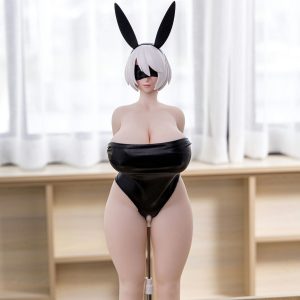
Good enough. For a first doll, on a working budget, that answer sells the material short. A well made TPE doll is soft in a way silicone chases and rarely catches. It costs little enough to forgive a beginner’s mistakes. It tears, and you close the tear at home in an afternoon.
TPE has real weak spots, and they land on the exact parts of ownership a showroom photo never shows. The spread is the harder problem: the distance between a good TPE doll and a bad one runs past the distance between TPE and silicone as materials.
What TPE gets right
Softness is the reason TPE exists on this shelf. The blend sits near the bottom of the Shore 00 scale, in the range built for gels, so a thigh gives around your fingers and a chest keeps moving for a beat after you stop. Silicone can be softened. It cannot yet go that far without trading away detail or durability to get there.
The price is the other reason people begin here. On our own shelf, a full size TPE doll runs from about $1,425 to a little under $2,000, where silicone opens past $2,100 and climbs into the five and six thousands. A hybrid, a silicone head on a TPE body, lands between the two, near $1,700 to $2,000, buying the face detail without the full silicone bill. That gap buys forgiveness. A first buyer learns what they want on the cheaper material, gets the early mistakes out of the way, and trades up later with real preferences, not guesses.
Repairs fall TPE’s way too. The material re-melts, so a split closes under a heat gun in minutes and a skin toned filler hides the mark. No box, no specialist, no three week wait. A TPE doll picks up small tears across its years of handling, at the seams and the busiest joints, and mending them at the kitchen table is a large part of why the running cost stays low.
A tear repair is one to watch once before you need it. The edges get cleaned, a heat source warms them to tacky, and light pressure fuses them as they cool, with skin toned TPE paste filling anything that shows. A steady hand closes a seam so well it hides from a search. Deep tears take more skill and sometimes a filler strip, and a spot that flexes hard, an armpit or an inner thigh, wants extra care so the repair does not reopen.
TPE reaches skin temperature faster than silicone under the same hands, which is why heating rods sell better to silicone owners than to TPE ones. At normal room distance the surface photographs well, tone and finish having both improved across the past few years. Up close a careful eye finds the mold seams down the inner arms and thighs, on either material. TPE does not hide them as well.
Many TPE lines pour in two firmnesses, a soft blend and a standard one. The soft blend gives more and jiggles more, trading a little durability for the feel that sells the material. The standard blend holds a pose better and lasts longer under hard handling. A buyer who wants the plush demo body reaches for soft; a buyer who poses a doll for photographs leans standard, and lives with a touch less give.
Movement is the part photographs never sell. A TPE body carries momentum the way soft tissue does, settling a half second after it is moved, and that lag reads as alive in a way a firmer material cannot fake. Owners name it first when they explain why they stayed with TPE after handling silicone. The trade is that the same give lets a limb relax out of a sharp pose, so a TPE doll leans on its skeleton and a prop to hold a line a firmer body keeps on its own.
Color holds up better than the price would suggest. Pigment goes into the blend, not onto the surface, so it does not rub off, and a good factory’s tone range runs from pale through tan to deep brown without the finish going plastic. Blush and nipple shading are painted on top, and there the cheaper end shows, in makeup that wears with handling. The body color underneath stays honest for years.
Strengths
- Softness silicone cannot match, gel range on the Shore 00 scale
- A price floor near $1,425, a thousand under typical silicone
- Home repair with a heat gun, no shipping or specialist
- Warms to the touch quickly, no heater needed
Drawbacks
- Oil bleed, so powder becomes a standing routine
- Porous surface, slower drying, stricter hygiene
- Softens for good against a radiator or in a hot car
- TPE lasts five to eight years, silicone ten or more
What it costs you later
Oil is the first tax on the softness. A TPE skin works a thin film of mineral oil to the surface every few weeks, the same oil that makes the material give, and that film catches dust and turns tacky in a warm room. Cornstarch after each wash and a top up in between keeps it dry, and talc does the same job for anyone who prefers it. The pass takes five minutes. It also never ends, on a schedule the doll sets, not you.
Porosity is the quieter cost, and the one that decides hygiene. TPE is faintly porous, so water and whatever rides in it soak into the surface, not bead on top. Sanitizing gets harder. Drying gets slower. A skipped drying is the shortest path to mildew inside a body cavity. A removable vagina lifts the worst of that off the doll, since the insert washes in the sink and dries in the open where your eye can confirm it. A built in vagina keeps the whole problem inside the body, every single wash.
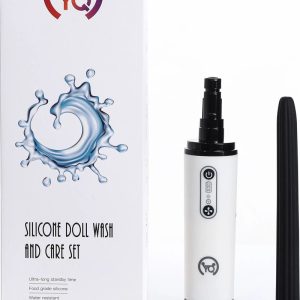
Cleaning products matter more on TPE than on silicone, since the wrong one attacks the material. Mild soap and warm water handle the routine job, and antibacterial hand soap is fine. Anything with alcohol or a solvent stays away from the skin, because those strip the plasticizer out and leave the surface dry and firm where they touch. The same caution rules out the disinfectant wipes in a bathroom cabinet. Water based lubricant is the only safe kind, on TPE as on silicone, and an oil or silicone based one degrades the surface over time. For the drying a porous body demands, a drying stick, a rod wrapped in absorbent cloth, reaches the water inside a cavity that a towel never will.
Heat is a hard line, not a chore you can catch up on. A TPE doll left against a radiator, or shut in a car in July, can slump out of true and stay that way. Bath water runs warm and never hot.
Age comes in through the same oil that softened the doll on day one. The plasticizer migrates out over the years, the skin firms, fine tears begin to collect where the body flexes hardest, and a low sheen creeps in that the powder no longer fully answers. Five to eight good years is a fair span for a TPE doll handled and stored with some care. Hot rooms, hard use and skipped drying all cut into that.
Clothing turns into a quiet hazard. Dark or richly dyed fabric left against the skin bleeds color into the surface, and on a porous material the stain sinks in and will not wipe off. New clothes get a wash before they ever go on the doll. Denim, cheap dyed lace and red anything are the usual offenders. A stain that reaches deep does not always come out, and the fix is patience with a stain lifting cream, not a quick wipe.
Sunlight ages the surface faster than a shelf does. Ultraviolet dries a TPE skin and chalks it over months of direct exposure, so a doll posed in a sunlit window pays for the view. A curtained room costs nothing and buys years. Heat from any direction works the same way, an attic in August or a cold garage in winter aging the material harder than a room kept at a living temperature.
Weight surprises people in the other direction. TPE is the lighter rubber on paper, yet a TPE doll often outweighs a silicone one of the same height, because silicone lines hollow their cores more as a matter of standard build. The material line on a listing barely predicts what a doll weighs. The kilogram figure does, and that is the number to read the week a staircase enters the plan.
The upkeep adds up to more time than a silicone doll asks. A lightly used TPE doll wants something near an hour a month once you count powdering, the occasional full wash and the drying that follows. Hard use pushes it up. That is a light load for someone who finds a care routine calming, and a real one for anyone who resents chores.
Storage decides how well a TPE doll ages, as much as the blend does. Left folded in one loaded pose for months, the soft surface takes a set, and a limb held at the edge of its range grows a tear at the crease. The tears, when they come, follow a map: the armpits, the crotch seam, the base of a wrist, any joint posed to its limit. Flat and supported is the rule, hips and shoulders carried, joints relaxed. A breathable cover keeps dust off without trapping the oil against the skin.
Eyelashes on a TPE doll are glued in rows and lift if a cleaning cloth catches them, so the face gets a gentle wipe and no scrubbing. A wig sheds and tangles like real hair, and takes the same brush and mild shampoo; an implanted hairline asks for a lighter touch. Eyes pop out and swap in a minute once you have done it once, so a face you tire of is an easy change. Painted blush and lip color wear with handling and touch up with a soft brush and doll safe pigment, the one cosmetic job a cheaper factory leaves you to finish.
Where TPE keeps getting better
The TPE of five years ago is not the blend on the shelf now. Compounders have cut the free oil in their better recipes, so the surface stays dry longer between powder passes than an older formula managed. The bleed is smaller and slower. It has not reached zero, and a blend that claims zero is selling you a word.
Hardness ranges widened at the same time. A buyer today picks from more points along the soft to firm line than the early market offered, so the plush feel and a pose holding body stopped being a single either or. Some lines now pour a firmer core under a soft outer layer, borrowing the trick silicone uses, and the doll reads soft to a hand while holding its shape underneath. None of that turns TPE into silicone.
The claim to meet with a raised eyebrow is oil free or bleed free TPE. A compounder can genuinely cut the free oil, and drier for longer is a fair promise. Pulling the plasticizer out while keeping the soft, skin like give is another thing entirely, and no one has managed it, since the oil is part of what does the softening. Read the claim as a matter of degree, a drier surface, not a material that has retired the powder can for good.
Two TPE dolls, two different products
The single biggest variable in a TPE doll never prints on the spec sheet. It is the compounder who mixed the blend. Two factories can start from the same base, the same SEBS and the same mineral oil, and ship bodies that feel and age nothing alike. One buys a clean oil grade and runs a full mixing cycle. The other trims both to hit a number, and a product photo shows none of it.
A careless blend bleeds oil sooner, tears earlier, and carries its factory smell for months. A careful one stays supple for years and powders down to a dry, matte skin you stop thinking about. On a listing page the two can sit ten dollars apart. By year three they are not the same doll, or anywhere close. Just how big the TPE quality gap gets, between a large careful factory and a bargain workshop, decides more about your next five years than the sticker ever will.
Reground scrap sits at the bottom of the range, recycled pellet streams sold cheap, and that corner is where the genuine horror stories start. A seller who publishes batch test reports, and answers a plain question about oil grade, is showing you they work the careful end. A seller who goes quiet is showing you the opposite.
The tells of the careful end are boring and reliable. A full mixing cycle and a clean oil grade cost the factory money up front, and they show up later as a body that powders to a dry matte finish and keeps it. The bargain end skips the boring parts. Its dolls feel fine in the unboxing clip and turn over the first year, going tacky where hands rest longest, firming at the joints, holding the smell past the point a good blend has gone quiet. Paying up here buys time and a clean oil grade, not a logo.
The questions every new buyer asks
New buyers land on the same short list of worries, and the worries are fair.
- Does the smell go away?
- Yes, across the first few weeks, leaving a faint oily note that returns in a warm room and fades again as it cools.
- Is the oil leak a defect?
- No. It is the plasticizer doing its job at the surface, and a powder pass keeps it in check.
- Is TPE safe against skin?
- From a factory that tests its batches, yes. The lab report, matched to your order, is how you confirm it, not just trust it.
- How long will one last?
- Years, kept dry, cool and powdered. Neglect the drying and the heat rules and the number falls fast.
- Why is TPE cheaper than silicone?
- The raw pellets cost less, the cure runs faster, and the process forgives small errors that would scrap a silicone pour. The savings are real, not a corner cut on safety.
- Can I make it feel warm?
- It already warms faster than silicone, and a short spell under a blanket or with a warming rod brings it to skin temperature. Never a radiator, never hot water.
- Soft blend or standard?
- Choose soft for the plush feel. Choose standard for a doll you pose and photograph often. The soft blend trades a little durability for the extra give.
Each of those runs deeper than a paragraph. The common beginner questions about TPE surface on every owner forum in close to the same order, and reading them before the first doll arrives spares you the small panic of finding oil on a shelf and assuming the worst about a healthy body.
Reading a TPE listing without getting burned
Price is the trap, because it hides the one thing that decides the doll. Two listings at the same number can come from opposite ends of the quality range, and the cheaper one is sometimes the better body. The sticker cannot sort them. A short run of other signals can, and none of them needs a lab.
A batch test report comes first, matched to a recent production run and naming a real laboratory. Its absence is not proof of a bad doll, and its presence is not a full guarantee, yet a factory that pays for testing tends to pay attention elsewhere too. The report reads like a utility bill, dull rows of substances over a pass column, and the date on it counts as much as the logo at the top.
The seller’s answers weigh as much as the paperwork. Ask what oil grade the blend uses, whether the body comes soft or standard, and how the factory dries a built in vagina. A seller who answers plainly, with photographs, works the careful end of the trade. A seller who slides back into marketing language is answering in a different way. Screenshots cost nothing. They settle the argument later.
Named factories beat anonymous ones, even when the anonymous listing runs cheaper. A doll sold under a workshop’s own name carries a reputation the seller has to guard, a trail of owner reviews going back years, and someone to answer if a body arrives wrong. A doll with no name behind it carries none of that. The discount is the price of the risk you are quietly taking on.
So, who should buy one
TPE is the pick for the buyer who wants softness first, spends with care, and can live with a maintenance habit. That describes a large share of first owners. The material hands them the exact thing they came for, at a price that leaves room to learn what they like.
Pay up for silicone when hygiene leads the list, when hot water sanitizing is the point, or when you want a face that survives ten years of handling with no standing routine. Couples sharing a doll belong in that column. So does anyone who already knows the powder will grate on them by month three.
Buying TPE on price alone is the one move to avoid. A cheap doll from a careful factory is a genuine bargain. A cheap doll from a careless one is a short lived mess with a smell that outstays its welcome. The tag on the listing cannot tell the two apart. The batch report, the seller’s answers, and the factory’s name behind the page tell them apart. Asking for the three of them costs you nothing.

About the author
Thaddeus Montgomery Kingswell
Senior R&D Engineer with over 12 years of experience in the realistic adult doll industry, specializing in platinum-cure silicone formulation and lifelike skin texture engineering. Currently leading the development and validation of the company's next-generation full-silicone doll platform, responsible for material safety assessment, softness calibration, and long-term durability analysis in pre-production testing. Brings extensive hands-on experience in silicone pigmentation and layering techniques, articulated skeleton joint tuning, and full-body structural reliability testing.
View all posts by Thaddeus Montgomery Kingswell →